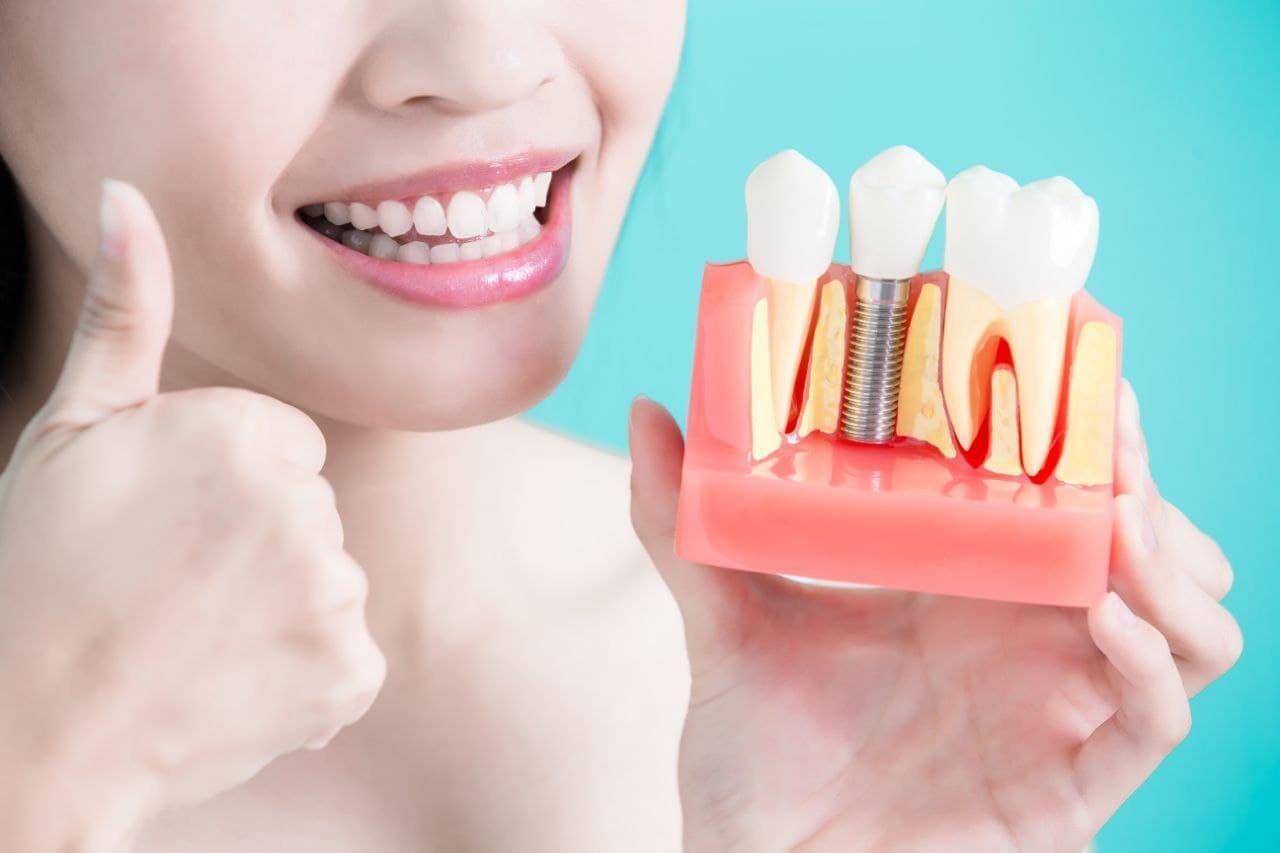
Tooth decay is one of the most common health problems worldwide, affecting people of all age groups. It occurs when bacteria in the mouth cause the enamel layer to erode, leading to the formation of small cavities in the teeth that may develop into more complex issues if not treated early. Tooth decay can impact both oral health and overall body health, making it a problem that should not be underestimated. In this article, we will discuss the causes of tooth decay, the risks associated with it, and effective prevention methods to maintain dental health.

What is Tooth Decay?
Tooth decay is a gradual process of damage to the enamel layer, the outer layer that protects the teeth. When bacteria accumulate on the teeth due to food residues and sugars, they produce acids that attack the enamel, weakening it and causing small holes or cavities. If not treated early, tooth decay can reach deeper layers of the tooth, such as the dentin and pulp, leading to severe pain, infections, and tooth loss.
Causes of Tooth Decay
Tooth decay occurs due to several interconnected factors, including:
-
Irregular tooth cleaning: Failure to clean the teeth regularly leads to plaque buildup, a sticky layer of bacteria that causes decay.
-
Sweets, soft drinks, and sugary juices: These contain sugars that nourish harmful bacteria, increasing the risk of tooth decay.
-
Saliva: Saliva plays a key role in cleaning the mouth and reducing bacteria buildup, so dry mouth can increase the chances of decay.
-
Genetics: Some individuals may have a genetic predisposition to tooth decay due to the composition of their enamel or their saliva.
-
Poor nutrition: A lack of essential minerals and vitamins can weaken the enamel and make the teeth more susceptible to decay.
Risks of Tooth Decay
If untreated, tooth decay can lead to serious health issues, including:
-
Severe tooth pain: The pain can become constant and intense, affecting daily life.
-
Gum and jaw infections: Decay can reach the tooth root, causing severe infections that may require surgical intervention.
-
Tooth loss: If decayed teeth are left untreated, they may completely erode, resulting in tooth loss.
-
Effects on general health: Chronic tooth decay can lead to digestive issues due to difficulty chewing, and oral infections may be linked to heart disease and diabetes.
Preventive Measures for Tooth Decay
To protect the teeth from decay, it is recommended to follow a set of healthy habits, including:
-
Regular brushing: Brushing the teeth twice daily with fluoride toothpaste helps remove bacteria and prevent plaque buildup.
-
Flossing: Using dental floss to clean between the teeth prevents the accumulation of food debris and bacteria that cannot be reached by a toothbrush.
-
Reducing sugar intake: Limiting sweets and sugary drinks reduces the environment conducive to bacterial growth.
-
Drinking plenty of water: Drinking water helps clean the mouth and increases saliva production, which protects the teeth.
-
Regular dental visits: Regular check-ups and cleanings every 6 months help detect any problems early before they worsen.
-
Antibacterial mouthwash: Using an antiseptic mouthwash reduces bacterial buildup and promotes overall oral health.
-
Fluoride treatments: Applying fluoride treatments and protective coatings on teeth, especially for children, helps strengthen enamel and protect it from decay.
Treatment for Tooth Decay
If decay is detected in its early stages, it can be easily treated. Available treatment options include:
-
Fillings: The decayed part of the tooth is cleaned and filled with a special filling material to prevent further spread.
-
Root canal treatment: If decay reaches the nerve, the internal canal of the tooth is cleaned to protect it from infection.
-
Crowns: For severely damaged teeth, a crown is placed to protect and strengthen the tooth.
-
Tooth extraction: In severe cases, it may be necessary to extract the affected tooth to prevent the infection from spreading to neighboring teeth.
Tooth decay is a common health issue, but it is easily preventable with the right habits. Proper oral hygiene, avoiding harmful foods, and regular dental visits can protect the teeth and ensure they remain strong and healthy for a lifetime. Moreover, any early signs of decay should not be ignored, as early treatment can prevent painful complications and preserve your beautiful smile.