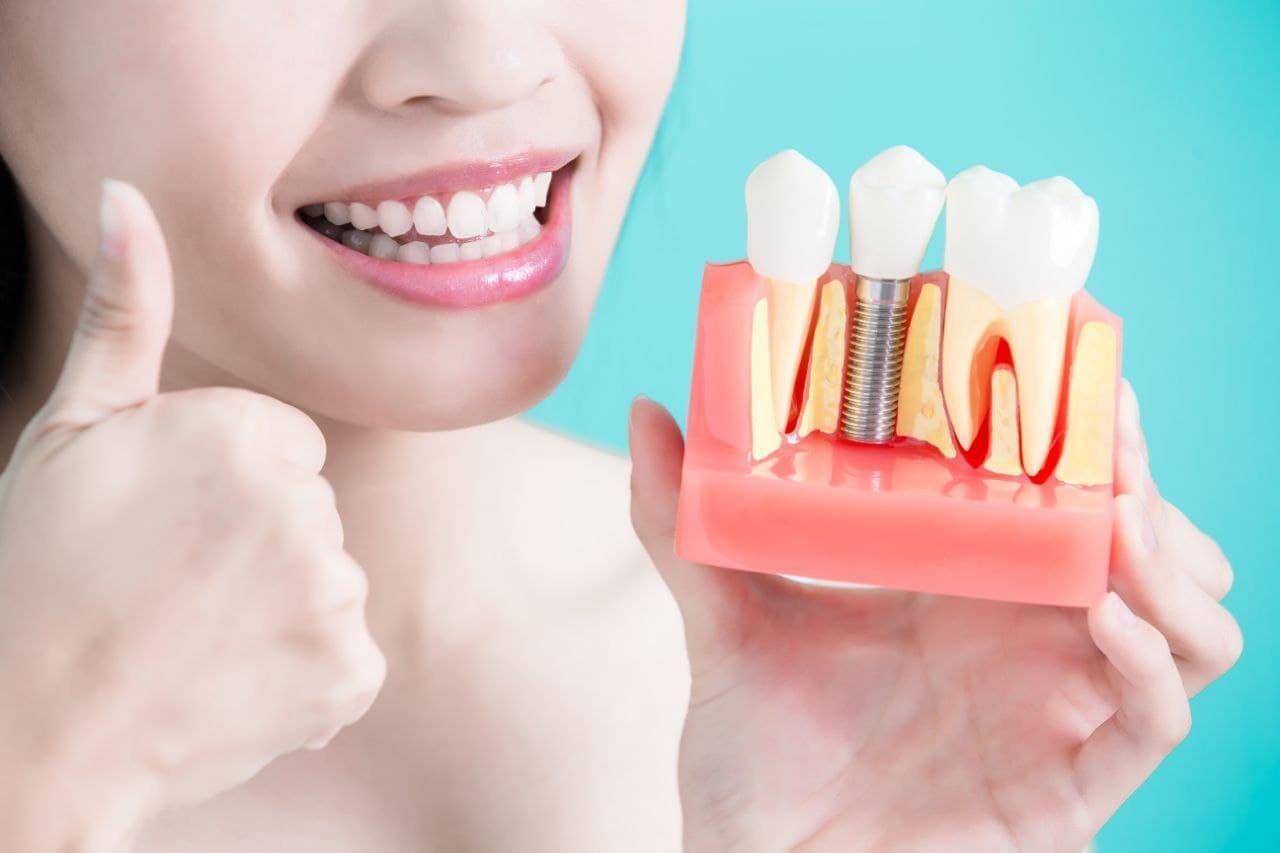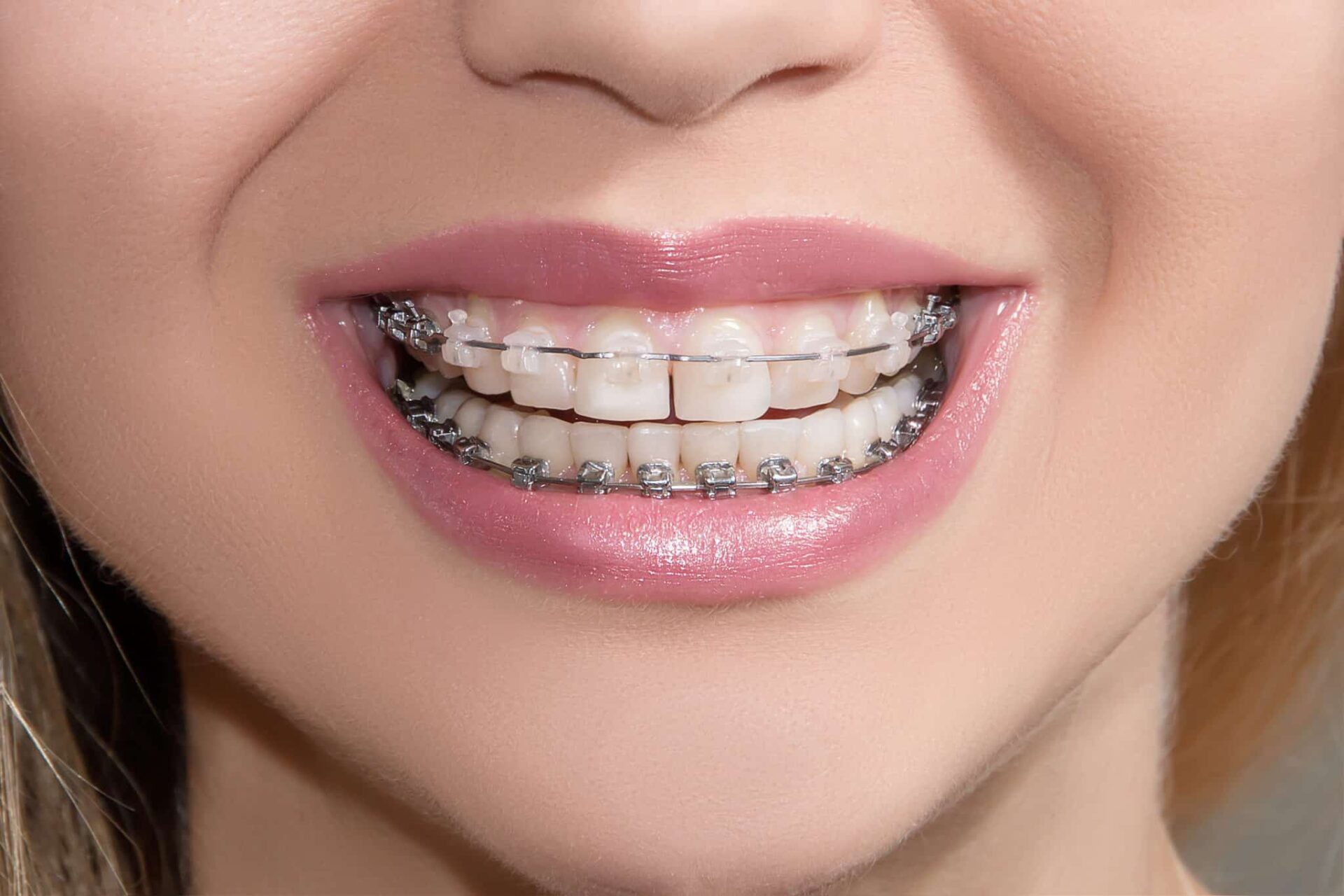
Oral and dental health are fundamental aspects of overall health, but their impact extends to mental well-being and emotional wellness. A beautiful and healthy smile is not just a matter of aesthetics; it plays a significant role in improving mood, boosting self-confidence, and reducing stress and anxiety. Here, we will explore how dental health can influence emotional well-being and the connection between oral care and mental health.


- Dental Health and Self-Confidence: A smile is often the first thing people notice during social interactions, reflecting a person’s self-care and health. When teeth are white and clean, individuals feel more comfortable and confident while speaking or laughing, enhancing their social interactions. Conversely, dental issues such as cavities, yellowing, or tooth loss can make people avoid smiling or speaking freely, leading to feelings of embarrassment or social isolation.
- Smiling and Its Impact on the Brain and Mood:Research has shown that smiling, even without a direct reason, can stimulate the brain to release happiness hormones like dopamine and serotonin. When teeth are healthy and free of problems, individuals are more likely to smile spontaneously, improving their mood and reducing stress.
- Oral Health and Its Role in Reducing Anxiety and Depression:Studies indicate a strong link between oral diseases and mental health. People suffering from gum disease or tooth decay are more prone to anxiety and depression due to pain or undesirable appearance. Additionally, oral infections can affect brain chemistry, leading to long-term mood disorders.
- Essential Healthy Habits for Maintaining Oral Health and Mental Comfort:
To maintain dental health and achieve psychological comfort, it is important to adhere to oral care habits such as:
– Brushing and cleaning teeth with fluoride toothpaste twice daily, in the morning and evening.
– Using dental floss to remove food particles that a toothbrush cannot reach.
– Regularly visiting the dentist for preventive check-ups and additional dental care.
– Avoiding smoking and sugary foods that harm dental health.
– Drinking enough water to maintain mouth hydration and reduce harmful bacteria. - The Role of Shawara Dental Clinic in Improving Patients’ Mental Health:
– Shawara Dental Clinic plays a significant role in enhancing patients’ mental health by offering advanced treatments for oral and dental issues.
– Thanks to its specialized medical team, the clinic provides comprehensive solutions for treating cavities, teeth whitening, and dental prosthetics, helping patients regain their smiles and self-confidence.
– Additionally, the clinic employs modern techniques that minimize pain and stress during treatment, making the experience comfortable and alleviating the fear and anxiety associated with dental visits.
– By improving oral health, Shawara Dental Clinic contributes to enhancing patients’ psychological well-being, enabling them to enjoy life without feeling embarrassed or troubled by dental problems.
Conclusion:
In summary, caring for dental health is not just about avoiding cavities or physical issues; it extends to promoting mental health and fostering comfort and confidence. When you take care of your teeth, you take care of your smile, and when you take care of your smile, you take care of your mental state and social life. Therefore, do not neglect your oral health—it is the key to a happy smile and a positive life.